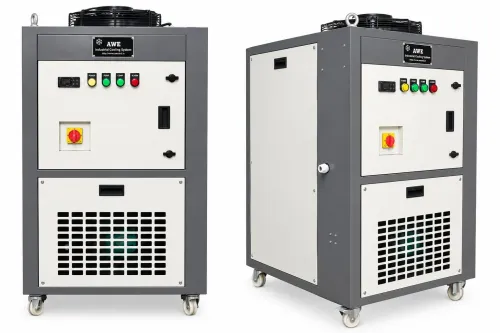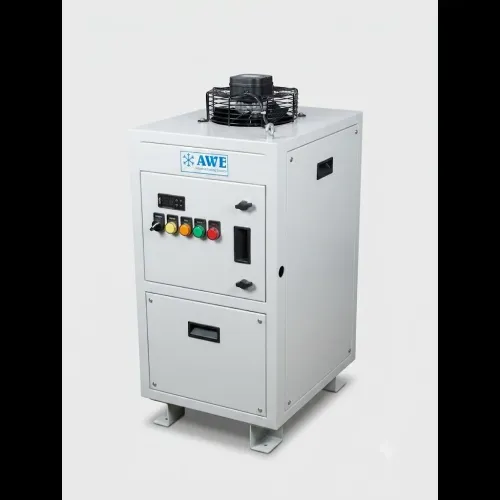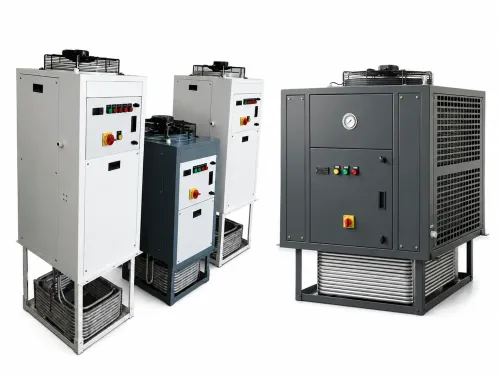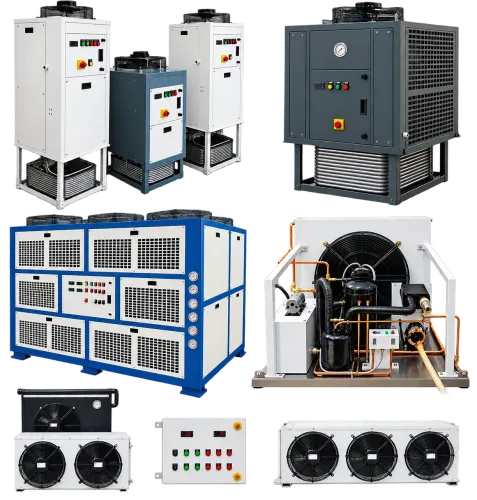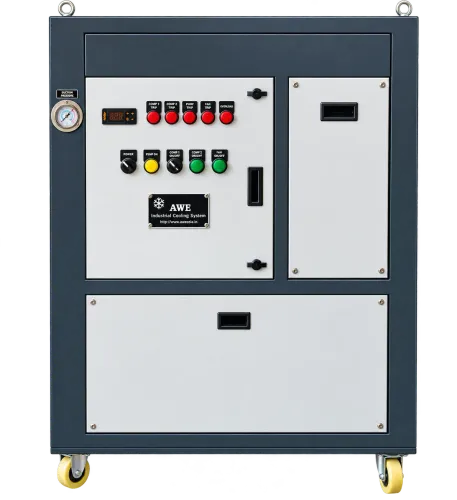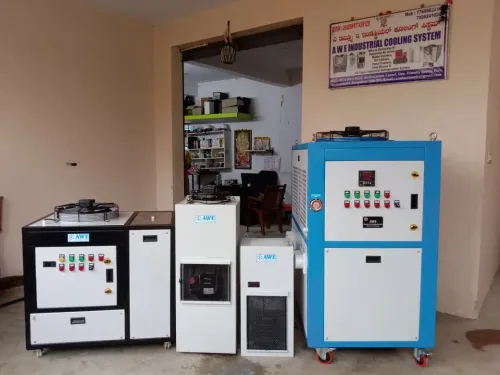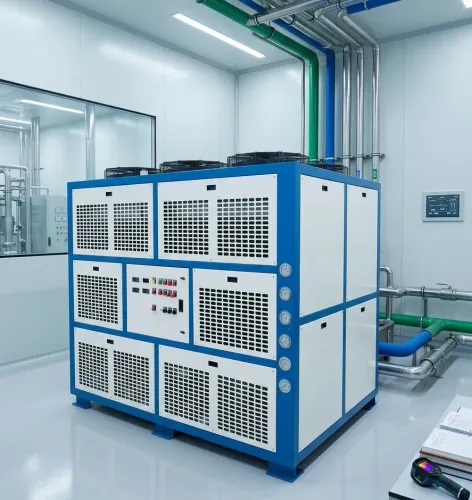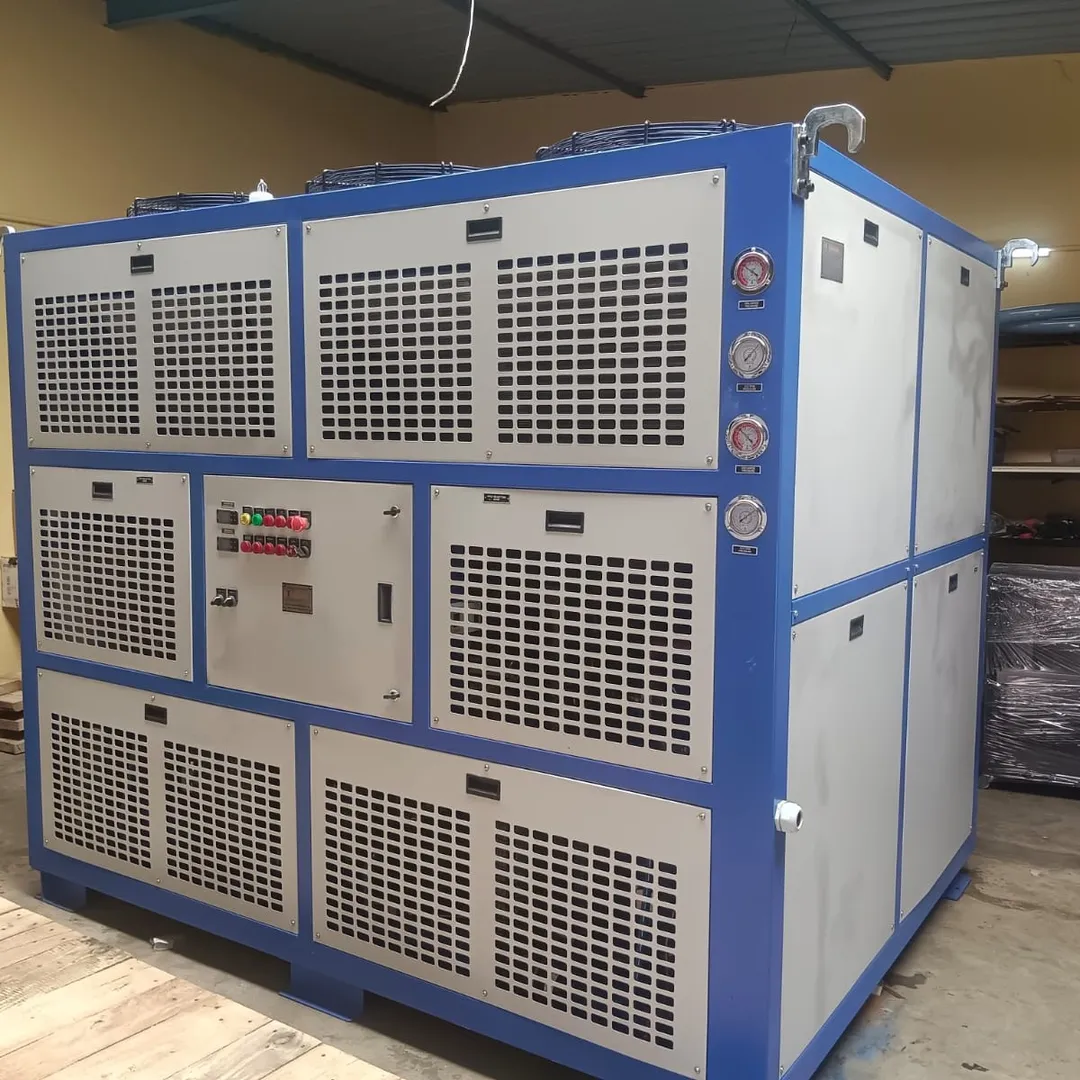
CNC machines are widely used in modern manufacturing industries for precision cutting, milling, drilling, grinding, turning, and machining. While CNC machines are designed for high accuracy and continuous operation, they generate significant heat during machining. CNC machine water chillers play an important role in controlling this heat and maintaining stable operating temperatures.
A properly selected industrial water chiller for CNC machines helps improve machining accuracy, protect critical components, reduce thermal deformation, and increase machine efficiency.
What Is a CNC Machine Water Chiller?
A CNC machine water chiller is an industrial cooling system designed to remove excess heat generated by CNC machine components. The chiller circulates temperature-controlled water or coolant through the machine's cooling circuit.
Depending on the CNC machine and application, the chiller can be used to cool components such as:
- CNC spindle
- Hydraulic systems
- Cutting tools
- Oil circuits
- Electrical cabinets
- Laser or machining heads
- Coolant systems
- Other heat-generating machine components
By continuously removing heat, the CNC water chiller helps maintain a consistent operating temperature even during long production cycles.
Why Do CNC Machines Need Water Chillers?
Heat is naturally generated during high-speed machining because of friction, cutting forces, motors, spindles, and hydraulic systems. If this heat is not controlled effectively, it can affect the performance and accuracy of the machine.
Excessive heat can result in:
- Thermal expansion of machine components
- Reduced machining accuracy
- Spindle overheating
- Faster component wear
- Inconsistent product dimensions
- Reduced tool life
- Increased machine downtime
- Poor surface finish
A CNC machine cooling system helps control these problems by maintaining a stable temperature throughout the machining process.
How Does a CNC Water Chiller Work?
A typical industrial CNC water chiller operates through a refrigeration cycle.
The basic process is:
CNC Machine → Warm Water/Coolant → Chiller → Heat Removal → Cooled Water → CNC Machine
The chiller absorbs heat from the circulating coolant and transfers that heat away through the refrigeration system. The cooled fluid is then pumped back to the CNC machine.
A typical CNC chiller consists of:
- Compressor
- Condenser
- Evaporator
- Expansion valve
- Water tank
- Circulation pump
- Temperature controller
- Control panel
- Safety protection system
This continuous circulation allows the CNC machine to operate at a controlled temperature.
Benefits of Using a Water Chiller for CNC Machines
1. Improved Machining Accuracy
Temperature fluctuations can cause machine components to expand or contract. Maintaining a stable temperature helps minimize thermal deformation and supports consistent machining accuracy.
2. Spindle Cooling
High-speed CNC spindles generate considerable heat during operation. A dedicated CNC spindle chiller helps remove this heat and maintain the spindle within its required operating temperature range.
3. Longer Component Life
Continuous exposure to excessive temperatures can accelerate wear of machine components. Effective cooling can help reduce thermal stress and extend the service life of spindles, pumps, motors, and other components.
4. Better Surface Finish
Temperature stability contributes to consistent cutting conditions. This can help CNC machines produce better and more uniform surface finishes.
5. Reduced Machine Downtime
Overheating can cause machine shutdowns and production interruptions. A reliable industrial water chiller provides continuous cooling and helps reduce temperature-related downtime.
6. Improved Production Efficiency
When the machine operates within its recommended temperature range, it can maintain stable performance during extended production cycles.
7. Energy-Efficient Cooling
Modern industrial chillers can be designed with efficient compressors, pumps, heat exchangers, and temperature controls to provide effective cooling while minimizing energy consumption.
Applications of CNC Machine Water Chillers
CNC water chillers are commonly used with different types of CNC and industrial machinery, including:
- CNC machining centers
- CNC turning machines
- CNC milling machines
- CNC grinding machines
- CNC routers
- CNC laser machines
- CNC cutting machines
- High-speed spindle machines
- EDM machines
- Hydraulic CNC machines
- Metalworking machinery
The required chiller capacity depends on the machine, heat load, coolant type, ambient temperature, and required operating temperature.
CNC Spindle Chiller vs. General Industrial Water Chiller
A spindle chiller is specifically designed to provide temperature-controlled cooling for CNC spindles. A general industrial water chiller can be configured for larger or multiple cooling requirements.
The correct choice depends on:
- Heat load
- Spindle power
- Required coolant temperature
- Flow rate
- Machine operating hours
- Ambient temperature
- Number of components requiring cooling
Choosing the correct cooling capacity is important because an undersized chiller may struggle to control temperature, while an unnecessarily oversized system may increase the initial and operating costs.
How to Select the Right CNC Water Chiller
Before purchasing a CNC machine water chiller, consider the following factors:
Cooling Capacity
Determine the amount of heat that needs to be removed from the CNC machine. Cooling capacity is generally specified in kW, kcal/hr, TR, or HP depending on the manufacturer and application.
Required Temperature
Different CNC components may require different operating temperatures. The chiller should be capable of maintaining the required temperature consistently.
Flow Rate
The circulation pump should provide sufficient flow for the CNC machine's cooling circuit.
Ambient Temperature
The operating environment affects chiller performance. For industrial environments with high ambient temperatures, the chiller should be selected accordingly.
Coolant Compatibility
Check whether the chiller is designed for water, water-glycol mixtures, cutting oil, spindle oil, or another cooling medium.
Continuous Operation
For CNC machines operating for long hours or multiple shifts, select a chiller designed for reliable continuous-duty industrial operation.
Maintenance Tips for CNC Water Chillers
Regular maintenance helps maintain cooling performance and improve equipment life.
Important maintenance practices include:
- Check coolant level regularly
- Clean condenser surfaces
- Inspect filters
- Check water quality
- Inspect pumps and connections
- Monitor inlet and outlet temperatures
- Check coolant flow
- Inspect electrical connections
- Clean the water tank periodically
- Follow the manufacturer's maintenance schedule
Proper maintenance also helps identify potential problems before they result in unexpected machine downtime.
Why Temperature Control Matters in CNC Machining
Precision machining requires consistency. Even a small temperature variation can affect the dimensions of machined components, especially during high-precision applications.
A properly designed CNC machine cooling system helps stabilize operating conditions and reduces the impact of heat on the machining process.
For industries producing precision components such as automotive parts, aerospace components, medical components, dies, molds, and engineering parts, effective temperature control can be particularly important.
Conclusion
A water chiller for CNC machines is an important part of an effective industrial cooling system. By continuously removing heat from CNC spindles, oil circuits, hydraulic systems, and other heat-generating components, a properly selected chiller helps maintain temperature stability and reliable machine performance.
For manufacturers looking to improve CNC machining accuracy, spindle performance, component life, and production efficiency, investing in a suitable industrial water chiller can provide significant operational benefits.
The ideal chiller should be selected based on cooling capacity, temperature requirements, flow rate, coolant type, ambient conditions, and machine operating requirements.
Looking for a CNC Machine Water Chiller?
Choose a professionally designed industrial water chiller for CNC machines based on your machine's actual cooling requirements. A correctly sized and properly maintained chiller can provide reliable temperature control for demanding manufacturing environments.
Keywords