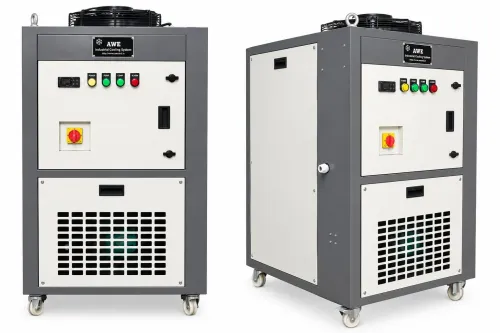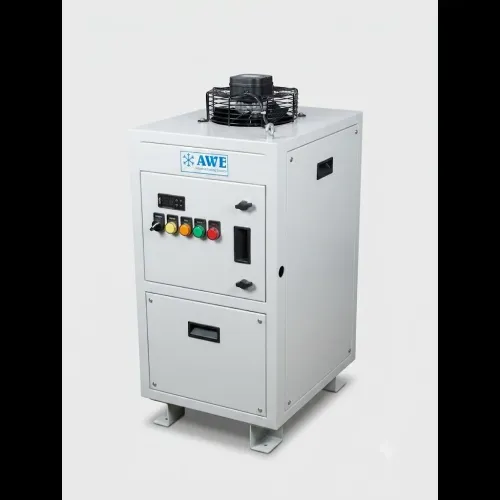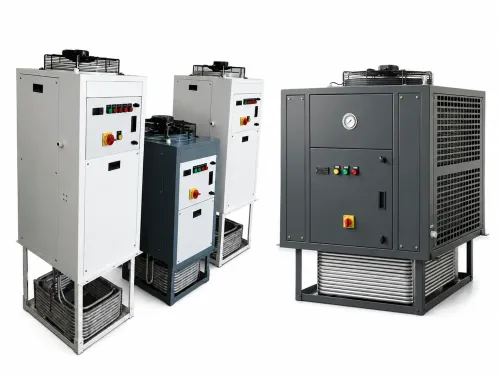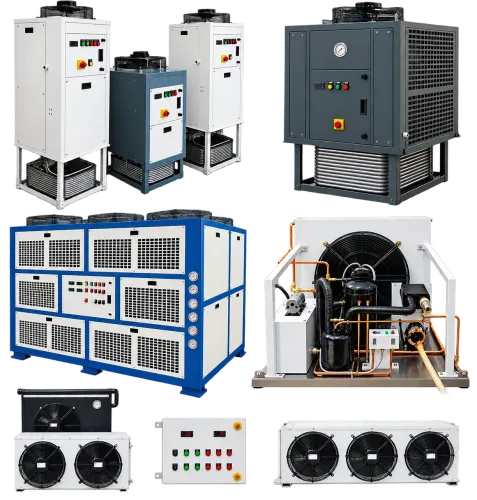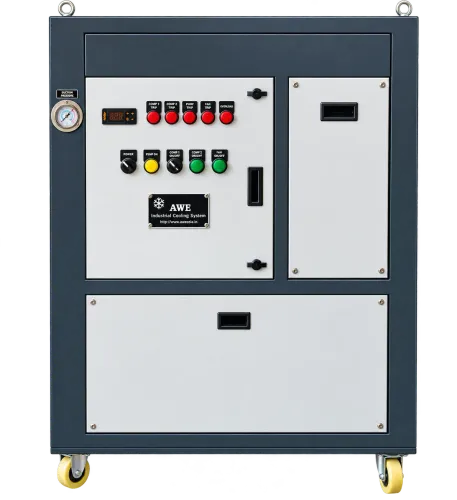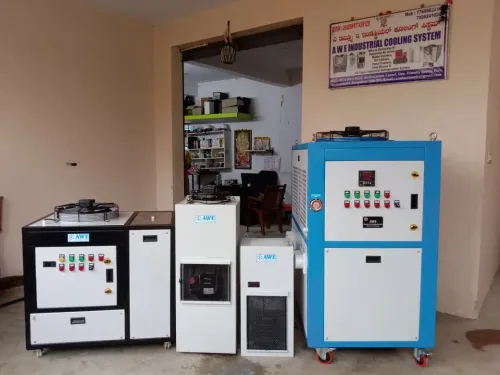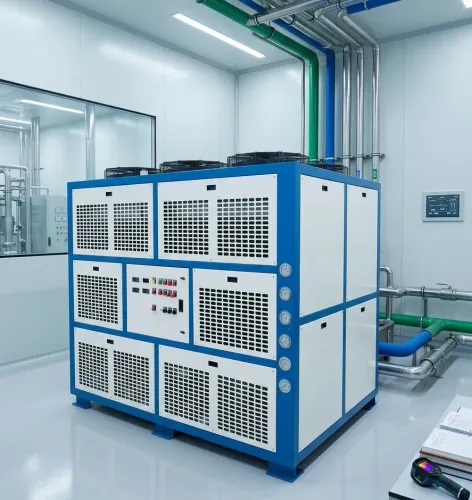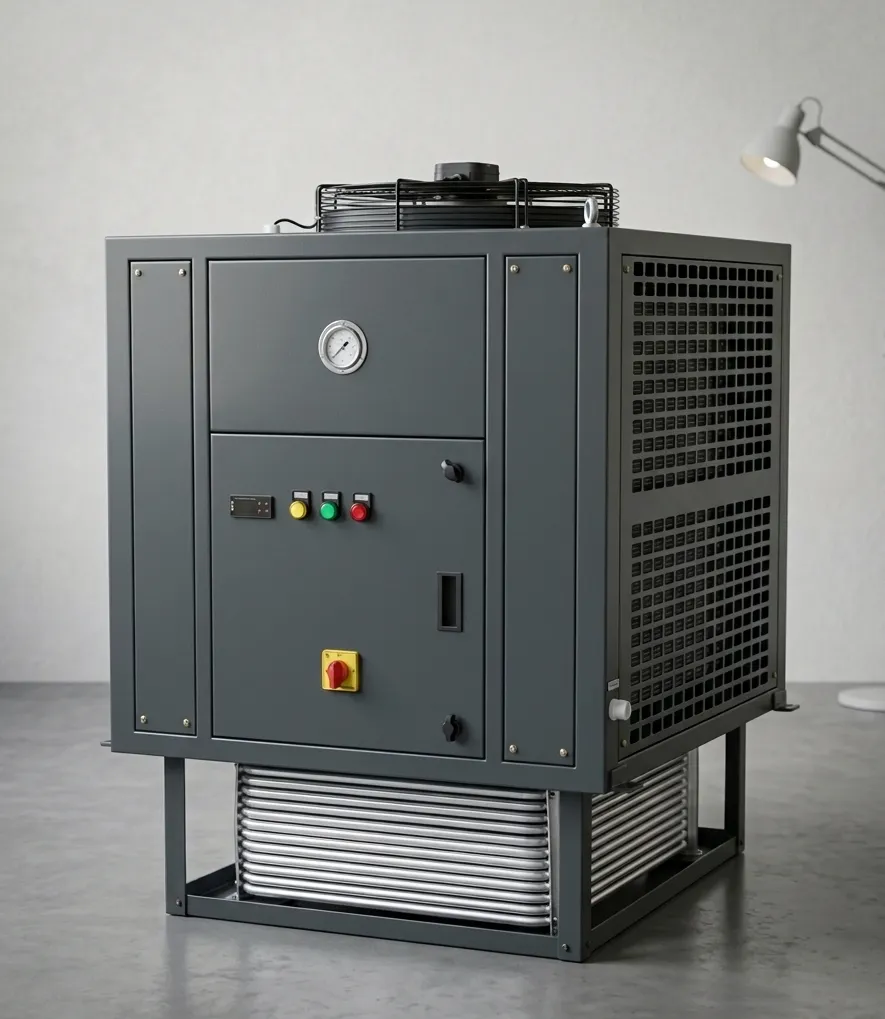
If your CNC machines are running hot, losing precision mid-shift, or burning through spindle bearings faster than they should, the problem often isn't the machine itself — it's the oil. Choosing the right CNC oil chiller manufacturer can be the difference between a machine that holds tight tolerances for years and one that needs constant maintenance.
This guide walks through what a CNC oil chiller actually does, why it matters for machining accuracy, and what to evaluate before you buy from a manufacturer.
What Is a CNC Oil Chiller?
A CNC oil chiller is an industrial cooling unit that regulates the temperature of lubricating or hydraulic oil circulating through a CNC machine's spindle, gearbox, or hydraulic system. As a machine runs, friction and mechanical work generate heat. Without active cooling, oil temperature rises, causing:
- Thermal expansion of spindle components
- Reduced machining accuracy and dimensional drift
- Accelerated oil degradation and shorter fluid life
- Premature bearing wear and spindle failure
- Inconsistent surface finish on finished parts
An oil chiller removes this excess heat and keeps oil temperature within a tight, stable range — typically within ±0.5°C to ±1°C of the setpoint on precision units — so the machine performs consistently from the first part of the shift to the last.
Why Oil Temperature Control Matters in CNC Machining
Precision machining is a game of microns. A spindle that heats up by even a few degrees can expand enough to throw off tight tolerances on aerospace, mold, or medical components. Key reasons manufacturers invest in dedicated oil chillers include:
- Dimensional stability — Consistent oil temperature prevents thermal growth in the spindle shaft and housing.
- Longer spindle life — Stable lubrication temperature reduces bearing stress and wear.
- Reduced downtime — Fewer thermal-related faults mean fewer unplanned stops.
- Better surface finish — Reduced vibration and thermal drift translate to cleaner cuts.
- Energy efficiency — Modern chillers use variable-speed compressors and fans to match cooling load, cutting energy waste compared to older fixed-speed units.
Key Features to Look for From a CNC Oil Chiller Manufacturer
Not all oil chillers are built the same. When evaluating a manufacturer, look closely at these specifications and capabilities:
1. Cooling Capacity Matched to Your Machine
Cooling capacity should be sized to your spindle's heat load, not just its horsepower rating. A reputable manufacturer will ask about spindle speed, motor power, ambient shop temperature, and duty cycle before recommending a unit — not just sell off a spec sheet.
2. Temperature Control Accuracy
Look for PID or microprocessor-based temperature controllers capable of holding setpoints within ±0.5°C. This level of control matters most for grinding, EDM, and high-precision milling applications.
3. Refrigerant Type and Compressor Quality
Ask which refrigerant the unit uses (R410A and R32 are common in newer systems) and whether the compressor is a recognized brand (e.g., rotary or scroll compressors from established manufacturers). This affects reliability, efficiency, and long-term parts availability.
4. Build Quality and Materials
Stainless steel tanks, corrosion-resistant piping, and industrial-grade heat exchangers hold up better in machine shop environments with coolant mist, swarf, and vibration.
5. Compatibility With Oil Type
Confirm the chiller is rated for the specific oil viscosity and type used in your machine — spindle oil, hydraulic oil, or gear oil all behave differently under cooling.
6. Certifications and Testing Standards
Look for CE, ISO 9001, or equivalent quality certifications, along with documented factory testing before shipment.
7. After-Sales Support
Oil chillers are long-term equipment. A manufacturer offering accessible technical support, spare parts, and clear warranty terms reduces risk over the machine's operating life.
Common Applications for CNC Oil Chillers
- CNC spindle cooling (milling, turning, machining centers)
- CNC grinding machine hydraulic and spindle systems
- EDM (electrical discharge machining) dielectric oil cooling
- Laser cutting machine lubrication systems
- Injection molding hydraulic oil cooling
- Precision gearbox and transmission cooling
How to Choose the Right Manufacturer
When comparing suppliers, ask these questions directly:
- Can you size the unit based on my actual heat load, not just machine horsepower?
- What's your typical lead time, and do you stock common models?
- Do you offer customization (tank size, footprint, control interface, remote monitoring)?
- What warranty do you provide, and what does it cover?
- Can you supply reference customers in a similar industry?
- Do you provide installation guidance or on-site commissioning support?
A manufacturer that answers these clearly — rather than pushing a generic catalog unit — is more likely to deliver equipment that performs reliably in your specific shop conditions.
Maintenance Tips to Extend Oil Chiller Life
Even a well-built chiller needs basic upkeep:
- Clean or replace filters on a regular schedule to maintain flow rate
- Check refrigerant pressure periodically for leaks
- Inspect and clean condenser coils to prevent airflow restriction
- Monitor oil quality, since contaminated oil reduces heat exchanger efficiency
- Keep the unit in a ventilated area, away from excessive dust or swarf buildup
Final Thoughts
An oil chiller is a small piece of equipment with an outsized impact on machining accuracy, tool life, and uptime. The right CNC oil chiller manufacturer won't just sell you a box that cools oil — they'll help you size it correctly, back it with real support, and build it to survive years of shop floor conditions.
If you're evaluating chillers for a new installation or replacing an aging unit, start by mapping out your actual heat load and oil specifications, then use the questions above to separate serious manufacturers from generic suppliers.
Frequently Asked Questions
How much does a CNC oil chiller cost? Pricing varies widely based on cooling capacity, build quality, and features, typically ranging from a few hundred to several thousand dollars for industrial-grade units. Get a quote based on your specific spindle heat load rather than comparing sticker prices alone.
How do I know what size oil chiller I need? Sizing depends on spindle motor power, RPM, duty cycle, and ambient shop temperature. Most manufacturers will calculate this for you if you provide machine specifications.
Can one oil chiller serve multiple CNC machines? In some cases, a centralized chiller can serve multiple machines, but this requires careful load calculation and piping design. Dedicated per-machine units are more common for precision applications.
How often should oil chiller filters be replaced? This depends on shop conditions, but a general guideline is every 1–3 months, or sooner in dusty or high-contamination environments.
Keywords