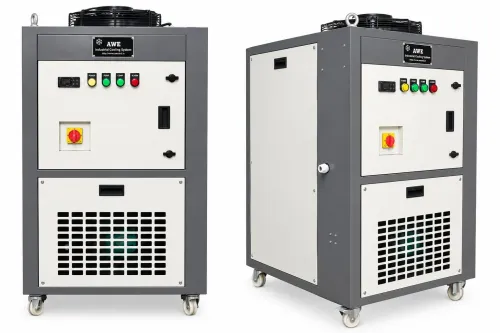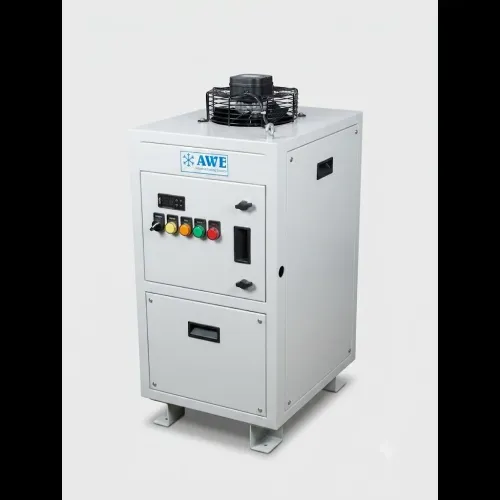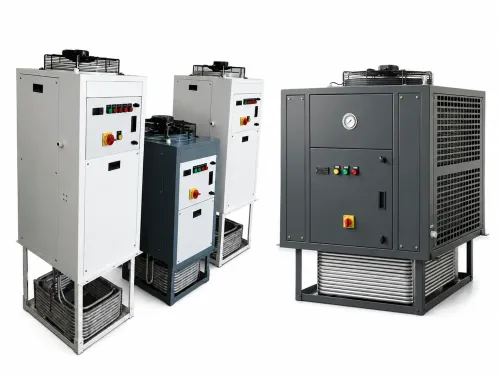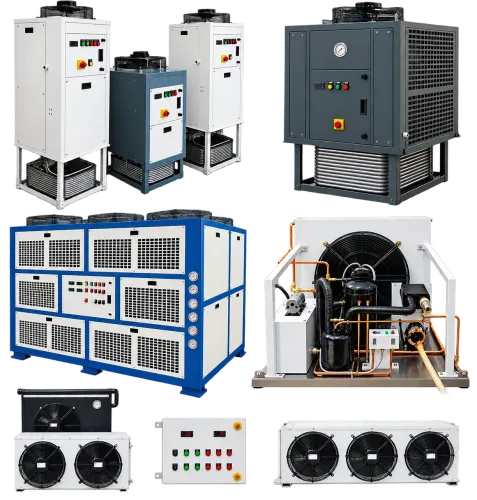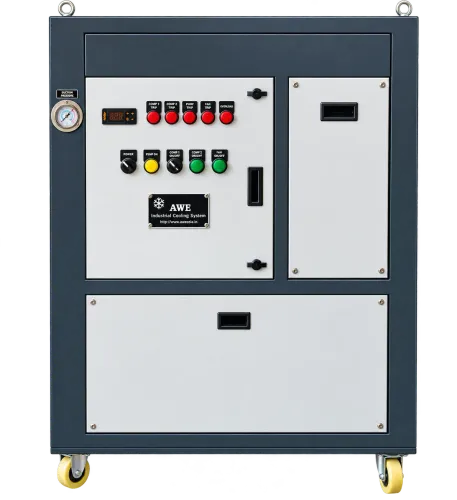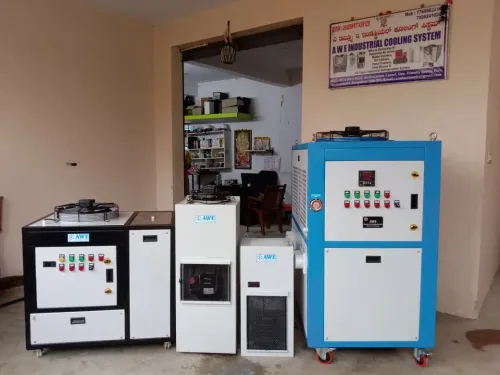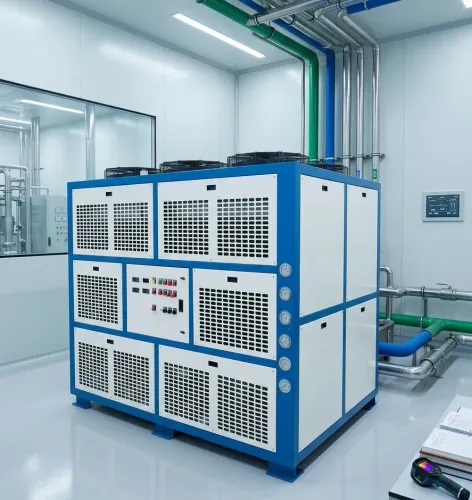
Keeping large buildings, factories, and data centers cool isn't just about comfort — it's about protecting equipment, maintaining productivity, and controlling energy costs. At the heart of most large-scale cooling systems sits a single, hardworking machine: the HVAC chiller.
If you're evaluating a chiller for a new build, planning a replacement, or simply trying to understand your building's cooling system, this guide breaks down everything you need to know — how chillers work, the main types available, and the key factors that affect performance, efficiency, and cost.
What Is an HVAC Chiller?
An HVAC chiller is a mechanical system that removes heat from a liquid (usually water or a water-glycol mixture) through a vapor-compression or absorption refrigeration cycle. That chilled liquid is then circulated through a building to cool air via air handling units (AHUs) or fan coil units.
Unlike residential air conditioners, which cool air directly, chillers cool water first. This makes them ideal for large commercial buildings, hospitals, universities, industrial plants, and data centers where cooling loads are too large or too spread out for direct-expansion (DX) systems to handle efficiently.
How Does a Chiller Work?
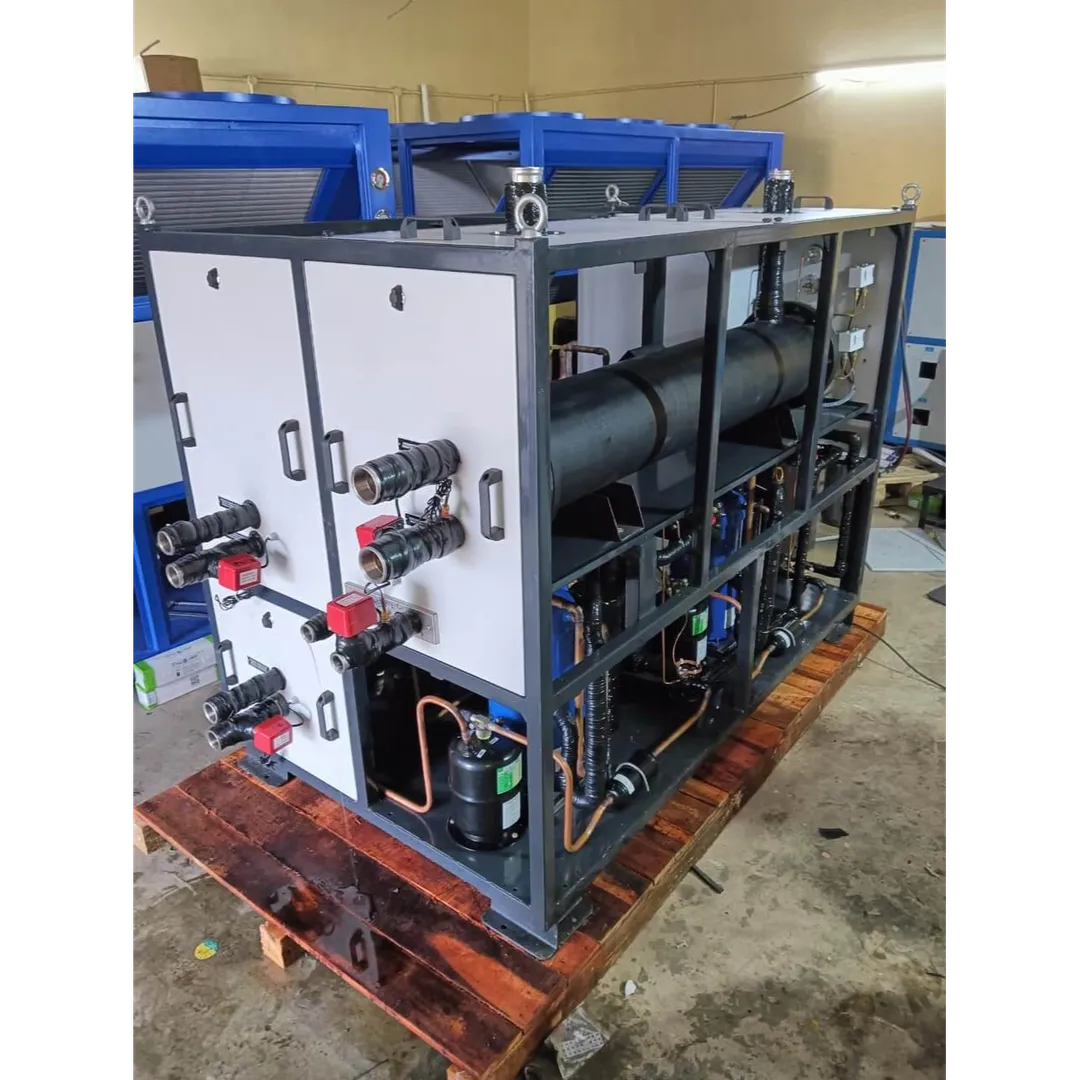
Most chillers operate using four core components:
- Compressor – Compresses refrigerant vapor, raising its pressure and temperature.
- Condenser – Releases heat from the refrigerant to outside air or a cooling tower's water loop.
- Expansion valve – Drops the refrigerant's pressure, allowing it to cool rapidly.
- Evaporator – The cooled refrigerant absorbs heat from the building's water loop, chilling it before it's pumped out to cool the space.
This cycle repeats continuously, moving heat out of the building and into the outside environment.
Types of HVAC Chillers
1. Air-Cooled Chillers
Air-cooled chillers use ambient air to reject heat from the condenser, eliminating the need for a cooling tower. They're easier to install and maintain, making them a popular choice for mid-sized commercial buildings and locations where water use is restricted.
Pros: Lower installation cost, less maintenance, no water treatment needed Cons: Lower efficiency in hot climates, larger footprint
2. Water-Cooled Chillers
Water-cooled chillers use a cooling tower to reject heat, offering higher efficiency and quieter operation. They're common in large commercial, industrial, and healthcare facilities where long-term operating costs matter more than upfront investment.
Pros: Higher efficiency, longer lifespan, better performance in hot climates Cons: Higher upfront cost, requires cooling tower and water treatment
3. Absorption Chillers
Instead of a mechanical compressor, absorption chillers use a heat source (steam, hot water, or natural gas) to drive the refrigeration cycle. They're a strong fit for facilities with access to waste heat or where electricity costs are high.
Pros: Can use waste heat, lower electricity draw Cons: Lower efficiency, higher equipment cost
4. Centrifugal, Screw, and Scroll Chillers
These terms describe the type of compressor used:
- Centrifugal chillers – Best for large-capacity cooling loads (500+ tons); highly efficient at full load.
- Screw chillers – Versatile and efficient across a range of capacities (70–500 tons); good part-load performance.
- Scroll chillers – Ideal for smaller loads (under 200 tons); reliable and low-maintenance.
Key Factors When Choosing a Chiller
Cooling Load – An accurate load calculation (in tons of refrigeration) is the foundation of proper chiller sizing. Oversizing wastes energy; undersizing leaves you short on capacity during peak demand.
Efficiency Ratings – Look at kW/ton, IPLV (Integrated Part Load Value), and COP (Coefficient of Performance) to compare true operating efficiency, not just nameplate capacity.
Climate and Site Conditions – Air-cooled chillers may struggle in extreme heat, while water-cooled systems need adequate space and water access.
Refrigerant Type – With regulations phasing out high-GWP refrigerants, check whether a chiller uses a low-GWP option like R-1234ze or R-513A for long-term compliance.
Maintenance Requirements – Water-cooled systems typically need more attention (water treatment, tower cleaning) but often deliver better long-term ROI in the right application.
Total Cost of Ownership – Factor in installation, energy consumption, maintenance, and expected lifespan (typically 15–25 years) rather than just the upfront price tag.
Signs Your Chiller Needs Attention
- Inconsistent or insufficient cooling
- Rising energy bills without increased load
- Unusual noises or vibrations
- Frequent compressor cycling
- Refrigerant leaks or low pressure alarms
- Age over 15–20 years with declining efficiency
Regular preventive maintenance — including refrigerant checks, tube cleaning, and control calibration — can extend chiller life significantly and prevent costly emergency repairs.
Final Thoughts
Choosing the right HVAC chiller comes down to understanding your building's cooling load, climate, budget, and long-term efficiency goals. Whether you need the simplicity of an air-cooled system, the efficiency of a water-cooled chiller, or the flexibility of an absorption unit, the right choice will keep your facility comfortable while controlling energy costs for years to come.
If you're planning a chiller replacement or new installation, consulting with a licensed HVAC engineer to run a proper load calculation is the best first step toward a system that fits your building's actual needs.
Keywords