Hydraulic systems are widely used in manufacturing, CNC machining, injection molding, die casting, presses, and other industrial applications. During continuous operation, hydraulic oil can absorb heat and its temperature may rise beyond the recommended operating range. Excessive oil temperature can reduce lubrication efficiency, increase component wear, and affect the overall performance of the hydraulic system.
A hydraulic oil chiller is designed to remove excess heat from hydraulic oil and maintain a stable operating temperature. For industries requiring reliable temperature control, selecting the right hydraulic oil chiller manufacturer and cooling capacity is essential.
What Is a Hydraulic Oil Chiller?
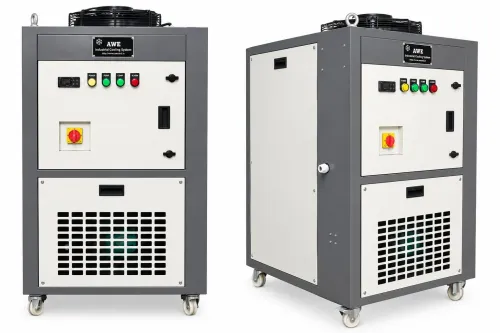
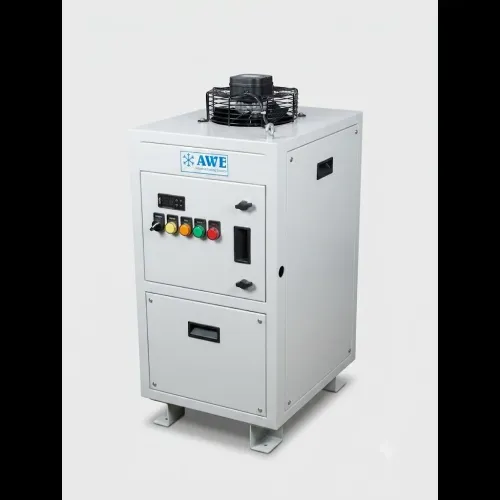
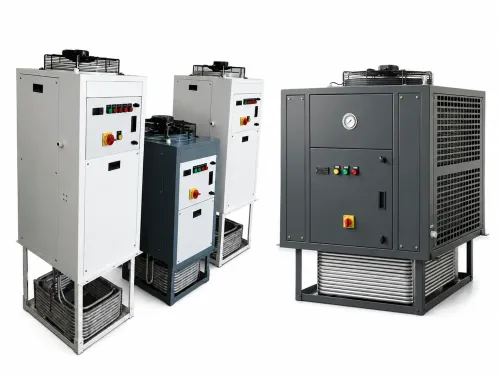
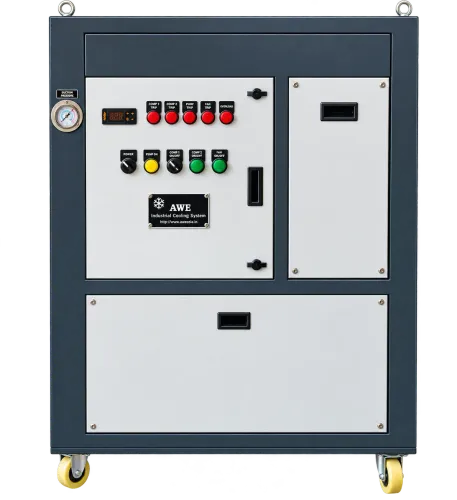
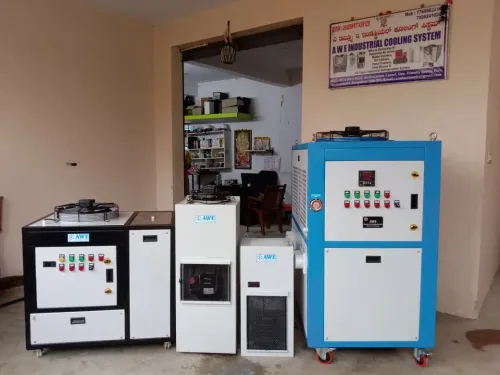
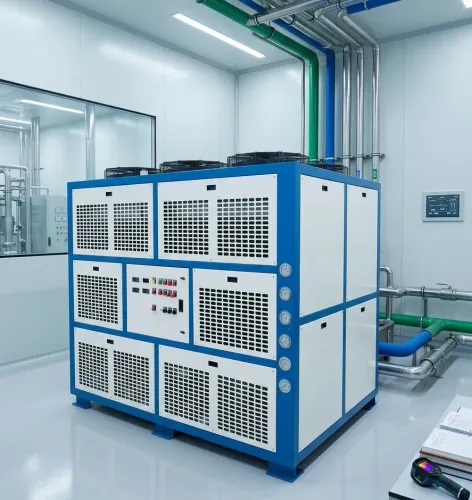
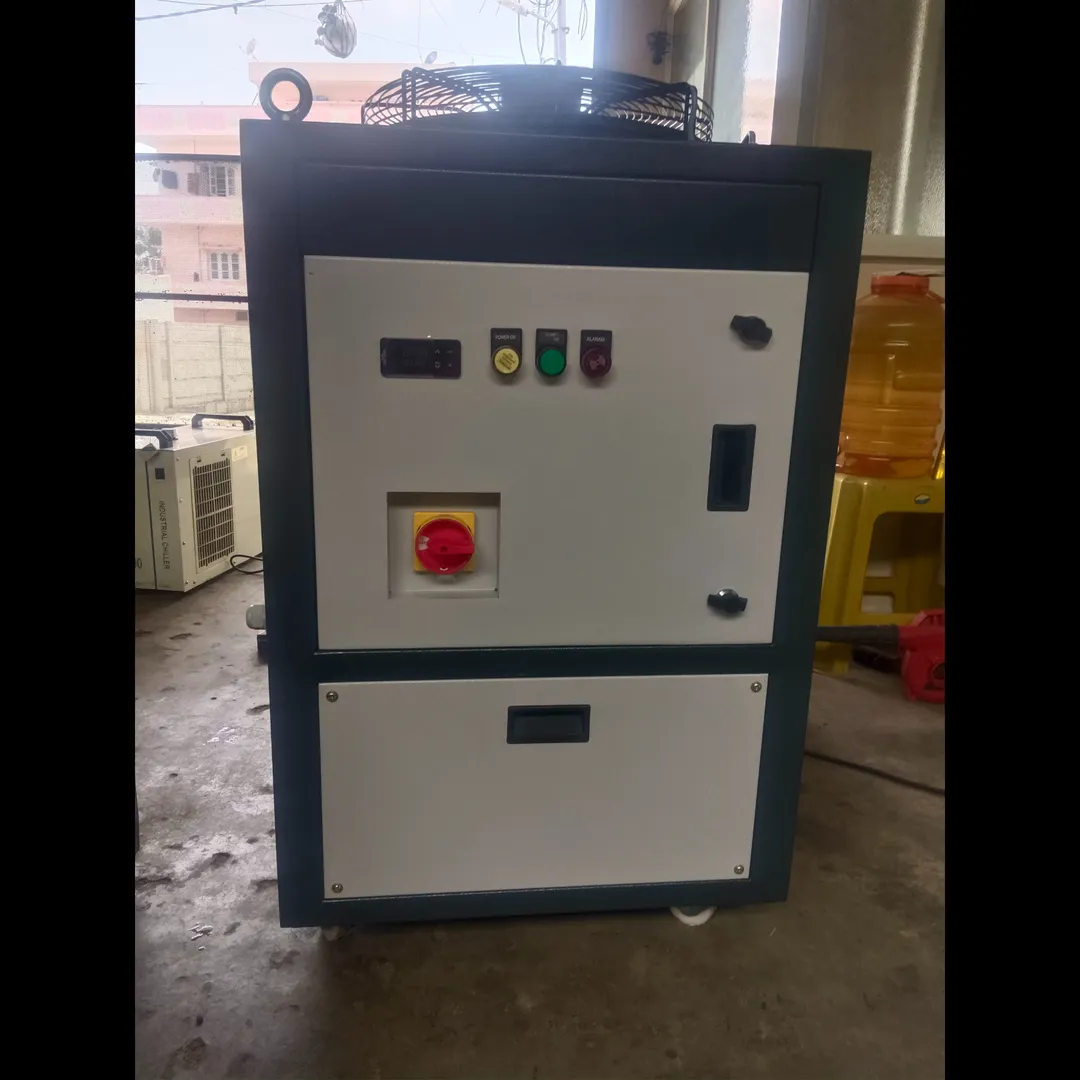
A hydraulic oil chiller is an industrial cooling system that continuously removes heat from hydraulic oil. The cooled oil is circulated back into the hydraulic circuit, helping maintain a consistent oil temperature.
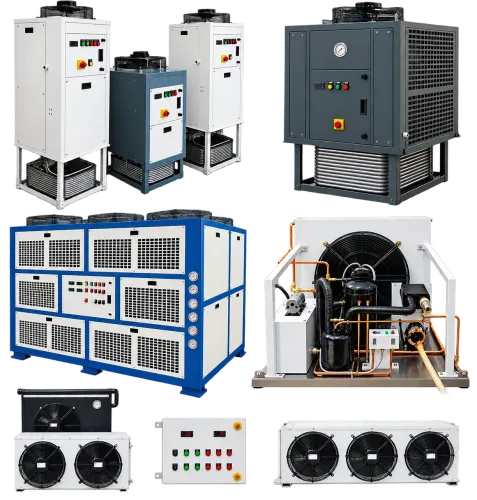
Depending on the application, hydraulic oil chillers can use different cooling methods, including air-cooled hydraulic oil chillers and water-cooled hydraulic oil chillers.
These systems are commonly used where hydraulic equipment operates for long periods and generates significant heat.
Why Is Hydraulic Oil Cooling Important?
Maintaining the correct hydraulic oil temperature is important for the efficiency and reliability of hydraulic equipment.
Proper oil cooling can help:
- Maintain consistent hydraulic system performance
- Reduce excessive oil temperature
- Improve lubrication efficiency
- Minimize thermal degradation of hydraulic oil
- Reduce wear on hydraulic components
- Improve equipment reliability
- Support continuous industrial operation
- Extend the service life of hydraulic components
An appropriately sized hydraulic oil cooler can therefore become an important part of an industrial hydraulic temperature-control system.
How Does a Hydraulic Oil Chiller Work?
A typical hydraulic oil chiller operates through a refrigeration-based cooling cycle.
The general process is:
- Hot hydraulic oil enters the chiller.
- Heat is transferred from the hydraulic oil to the chiller's heat exchanger.
- The refrigeration system removes the transferred heat.
- The cooled hydraulic oil is circulated back into the hydraulic system.
- The process continues to maintain the desired oil temperature.
The actual configuration depends on the machine, oil flow rate, heat load, ambient conditions, and required temperature.
Types of Hydraulic Oil Chillers
1. Air-Cooled Hydraulic Oil Chiller
An air-cooled hydraulic oil chiller uses ambient air to reject heat from the refrigeration system. These chillers are generally suitable for applications where cooling water is not readily available.
Advantages include:
- No cooling-water requirement
- Relatively simple installation
- Easy integration with industrial machinery
- Suitable for many standalone applications
- Reduced dependence on cooling-water systems
2. Water-Cooled Hydraulic Oil Chiller
A water-cooled hydraulic oil chiller uses cooling water to remove heat from the refrigeration system. These systems can be suitable for industrial facilities that already have a reliable cooling-water source.
They are often considered for applications requiring efficient and continuous heat rejection.
Applications of Hydraulic Oil Chillers
Hydraulic oil chillers are used across several industries and machinery applications, including:
- CNC machines
- Hydraulic presses
- Injection molding machines
- Die casting machines
- Plastic processing machinery
- Machine tools
- Hydraulic power packs
- Industrial automation equipment
- Metalworking machinery
- Manufacturing equipment
- Heavy-duty hydraulic systems
For high-precision machinery, stable oil temperature can be particularly important for maintaining consistent machine operation.
Benefits of Using a Hydraulic Oil Chiller
Stable Oil Temperature
A hydraulic oil chiller helps maintain the oil within the desired temperature range during continuous operation.
Improved Hydraulic System Efficiency
Controlled oil temperature can contribute to consistent hydraulic performance and efficient heat management.
Reduced Component Wear
Excessive heat can negatively affect hydraulic oil and system components. Proper cooling helps manage thermal stress.
Longer Oil Life
Maintaining suitable operating temperatures can help reduce thermal degradation and support longer oil service intervals, depending on oil type and operating conditions.
Better Machine Reliability
Consistent temperature control can help hydraulic machinery operate more reliably, particularly in demanding industrial environments.
How to Select the Right Hydraulic Oil Chiller
Choosing the correct hydraulic oil chiller requires more than simply selecting a cooling capacity. Important factors include:
1. Hydraulic Oil Flow Rate
The oil flow rate through the cooling system directly affects heat-transfer requirements.
2. Oil Inlet and Outlet Temperature
The expected oil temperature entering and leaving the chiller should be determined before selecting the unit.
3. Heat Load
The chiller should be selected according to the actual heat generated by the hydraulic system.
4. Ambient Temperature
For air-cooled systems, maximum ambient temperature is an important consideration.
5. Oil Type and Viscosity
Different hydraulic oils have different viscosity and thermal characteristics. The chiller should be compatible with the specific oil being used.
6. Installation Conditions
Available floor space, ventilation, cooling-water availability, electrical supply, and piping requirements should all be considered.
7. Continuous Operating Requirements
Machines operating continuously or under high loads may require a chiller designed for continuous industrial-duty operation.
Hydraulic Oil Chiller vs. Conventional Oil Cooler
A conventional oil cooler primarily transfers heat from the oil to another cooling medium, such as ambient air or water.
A refrigeration-based hydraulic oil chiller actively controls the oil temperature and can provide more controlled cooling, particularly when ambient conditions fluctuate.
The right choice depends on the required temperature control, heat load, operating environment, and application.
Why Choose a Reliable Hydraulic Oil Chiller Manufacturer?
Industrial cooling equipment should be selected based on the actual requirements of the hydraulic system rather than cooling capacity alone.
A reliable hydraulic oil chiller manufacturer can help determine:
- Required cooling capacity
- Suitable chiller configuration
- Oil flow requirements
- Heat exchanger specifications
- Temperature-control requirements
- Pump and piping requirements
- Installation considerations
- Maintenance requirements
Proper sizing can help avoid both under-capacity and unnecessary oversizing.
Maintenance of Hydraulic Oil Chillers
Regular maintenance helps maintain reliable chiller performance.
Important maintenance activities include:
- Checking hydraulic oil condition
- Cleaning air filters and condenser surfaces
- Inspecting pumps and circulation lines
- Checking for oil or refrigerant leaks
- Monitoring operating temperatures
- Inspecting electrical connections
- Cleaning heat-transfer surfaces
- Checking refrigerant-system performance
- Following the manufacturer's maintenance schedule
Conclusion
A hydraulic oil chiller is an effective temperature-control solution for industrial hydraulic systems where excess heat can affect machine performance and reliability. From CNC machines and hydraulic presses to injection molding and other manufacturing equipment, proper oil temperature management can support consistent operation and component protection.
When selecting a hydraulic oil chiller manufacturer in Bangalore, consider cooling capacity, oil flow rate, operating temperature, ambient conditions, machine requirements, and after-sales service. A correctly designed industrial oil chiller can provide reliable and efficient cooling for demanding industrial applications.
Keywords