In high-precision manufacturing, heat is the ultimate silent enemy. Whether you are running CNC machining centers, heavy hydraulic presses, or high-speed injection molding lines, keeping your system fluids at the right temperature is non-negotiable.
If your machinery relies on hydraulic power or lubrication oil, an industrial oil chiller is one of the most critical investments you will make. But how do you choose the right one?
In this guide, we’ll break down everything you need to know to make an informed decision, keep your machines running smoothly, and prevent costly downtime.
Why Temperature Control Matters: The Sweet Spot
Before we dive into selection, we need to understand what we are aiming for.
The ideal oil temperature range for hydraulic systems is typically between 38°C to 50°C (100°F to 120°F).
If your oil drops below this range, it becomes too viscous, forcing pumps to work harder and causing sluggish system responses. However, the far more common and dangerous scenario is when the oil gets too hot. When temperatures exceed 60°C (140°F), the chemical additives in the oil begin to rapidly degrade, seals crack, internal leakage increases, and your machinery begins to sustain permanent damage.
The Culprit: CNC and Hydraulic Overheating
If you are noticing your machines acting up, you aren't alone. CNC machines are particularly vulnerable to temperature spikes. Understanding the reasons for hydraulic oil overheating in CNC systems is the first step toward solving the problem. The main culprits include:
- Continuous Duty Cycles: Modern CNCs run at incredibly high speeds with minimal idle time, generating massive friction.
- Worn Components: Failing pumps, clogged relief valves, and internal slippage generate excessive heat instead of mechanical work.
- Accumulated Contaminants: Dirt, varnish, and metal shavings in the oil increase friction and reduce the heat-transfer efficiency of the fluid.
- Poor Ventilation: If the machine tool is crammed into a tight, unventilated corner of a hot factory floor, it simply cannot shed heat naturally.
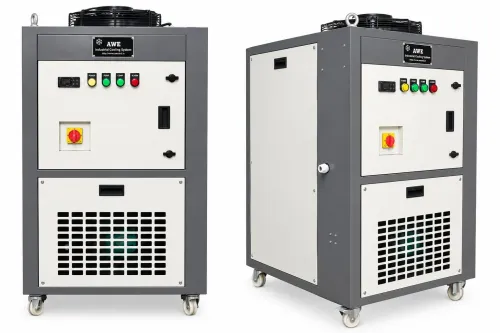
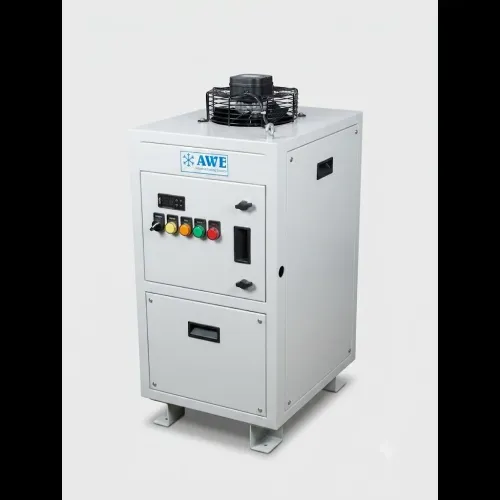
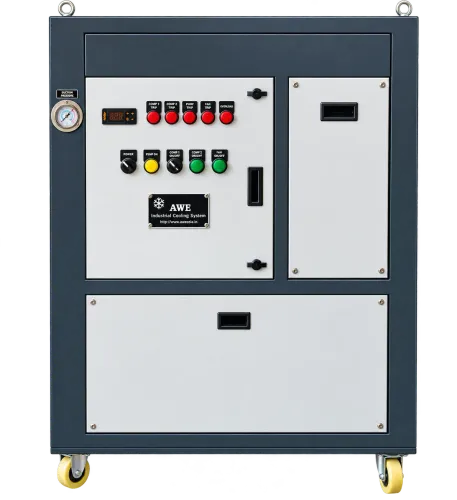
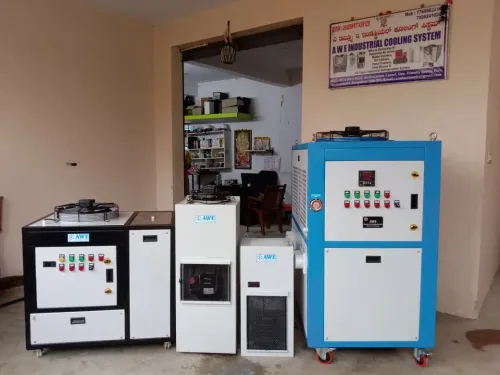
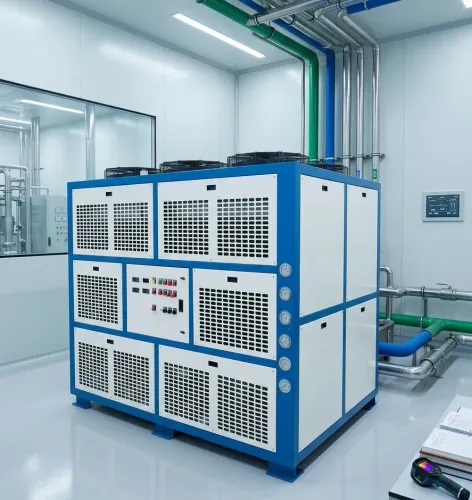
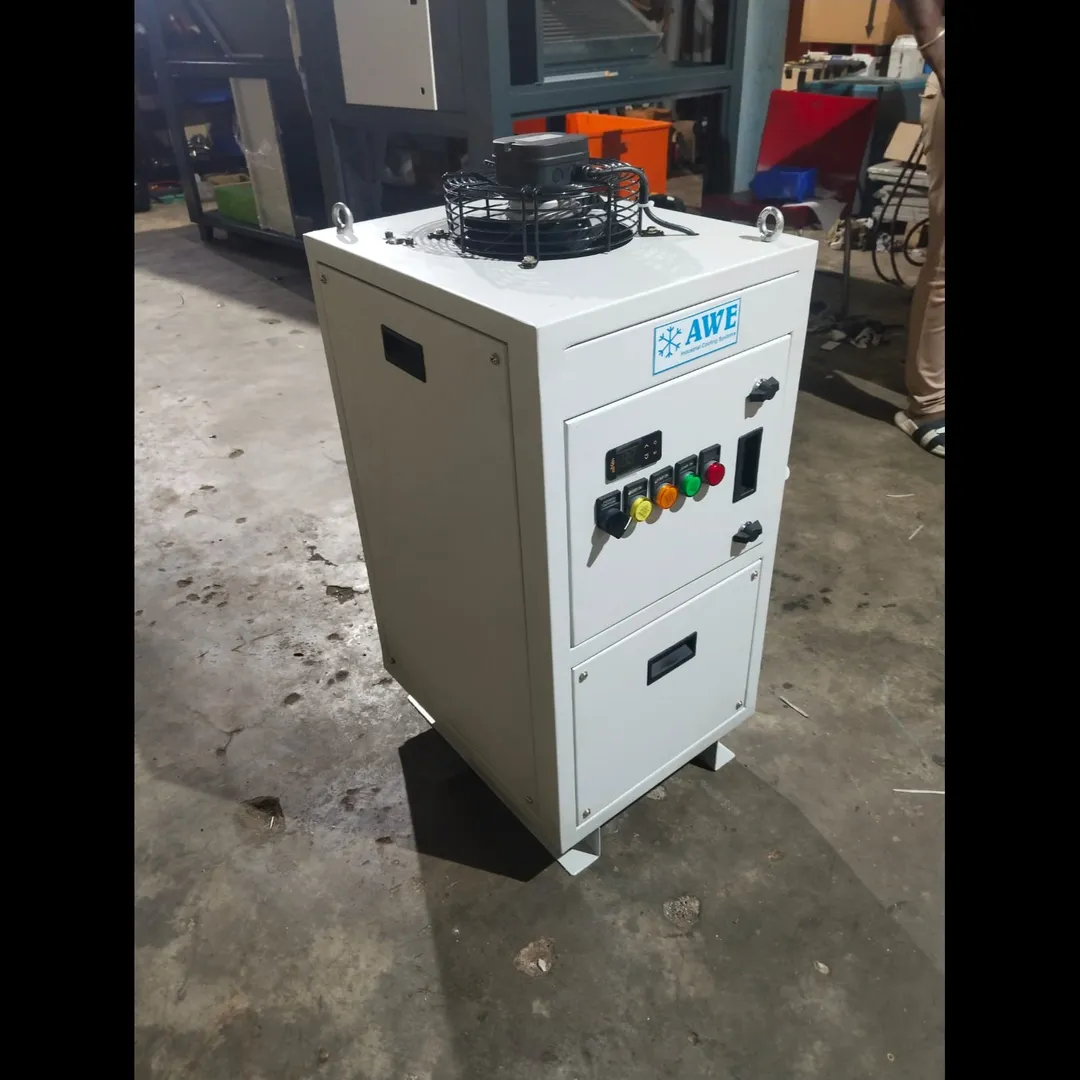
An industrial oil chiller acts as your system's air conditioner, actively pulling this heat out of the oil loop to maintain equilibrium.
How to Choose the Right Industrial Oil Chiller
When shopping for an industrial oil chiller, keep these four key factors in mind:
1. Calculate Your Cooling Capacity
You need to know exactly how much heat your system is generating. Cooling capacity is typically measured in Kilowatts (kW) or British Thermal Units per hour (BTU/hr). Work with your chiller manufacturer to calculate the heat load based on your CNC’s motor horsepower, duty cycle, and the volume of oil in the reservoir.
2. Match the Viscosity
Ensure the chiller's internal pump can handle the specific ISO VG grade of your hydraulic or lubricating oil. If the oil is too thick for the chiller’s pump, flow rates will drop, and cooling efficiency will plummet.
3. Consider Ambient Factory Temperatures
If your factory floor routinely hits 40°C (104°F) in the summer, you need a chiller designed with a robust condenser that can dissipate heat efficiently even in a hot ambient environment.
4. Choose the Right Controls
Look for chillers featuring smart PID temperature controllers. CNC spindles and high-precision hydraulics require stable temperatures within +-0.1deg celsius to +-1.1 deg celsius to prevent thermal expansion of machine components, which can ruin machining tolerances.
Protecting Your Investment: Maintenance is Key
Buying the right chiller is only half the battle; keeping it running is the other. A neglected chiller will quickly lose its cooling capacity, leading to the very overheating issues you bought it to solve.
Bookmark this quick oil chiller maintenance guide for factories to keep your equipment in top shape:
- Weekly: Check the oil level in the reservoir and inspect the air filters. Clean or replace clogged filters to ensure optimal airflow across the condenser.
- Monthly: Check the oil pressure and temperature gauges to ensure they match the chiller’s settings. Inspect hoses and connections for leaks.
- Quarterly: Clean the condenser coils using compressed air or a soft brush. Dust and oil mist from the factory floor can form an insulating blanket on the coils, choking the chiller's heat-exchange capability.
- Annually: Test the oil quality. If the oil is showing signs of oxidation or varnish, flush the system and replace it. Check electrical connections and test safety cut-off switches.
By selecting the right oil chiller and committing to a routine maintenance schedule, you will extend the lifespan of your CNC machines, preserve your hydraulic fluids, and keep your production line running cool, calm, and collected.
Keywords