In any high-performance industrial setup or massive commercial building, heat is the ultimate enemy. Machinery overheats, production lines slow down, and energy bills skyrocket.
If you are looking for a reliable, highly effective way to keep your operations running smoothly, a water chiller system is the ultimate solution.
But what exactly is a water chiller, and why is it a game-changer for your business? Let’s dive in.
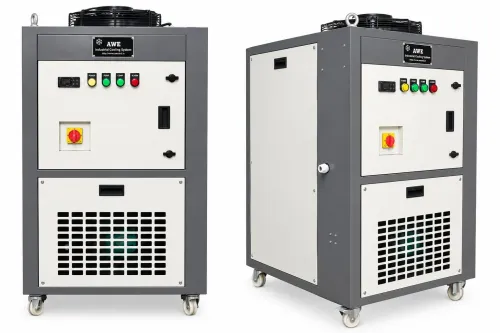
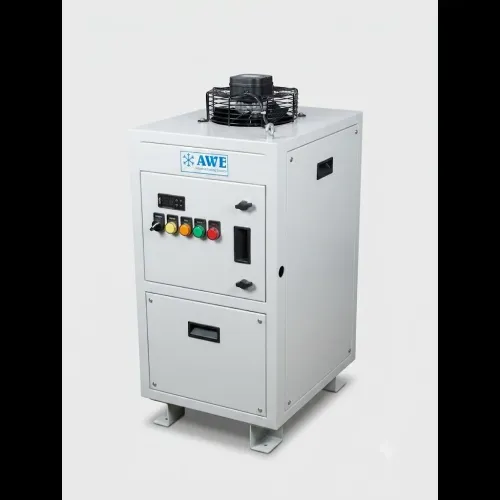
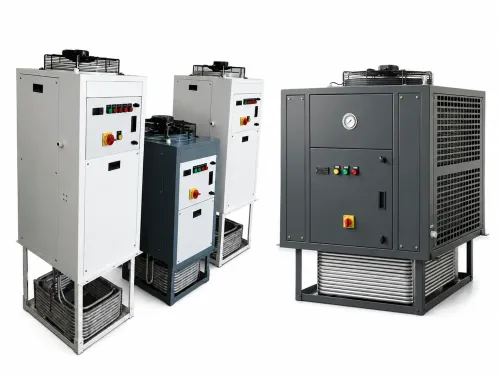
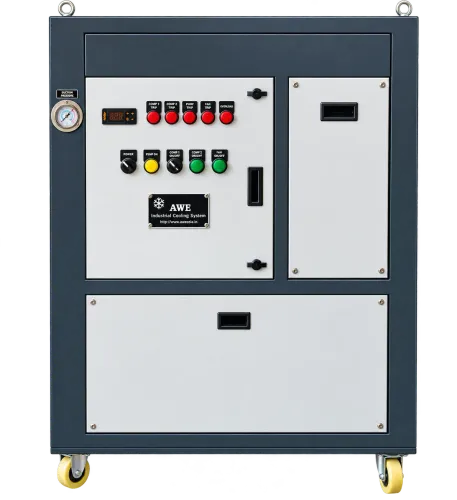
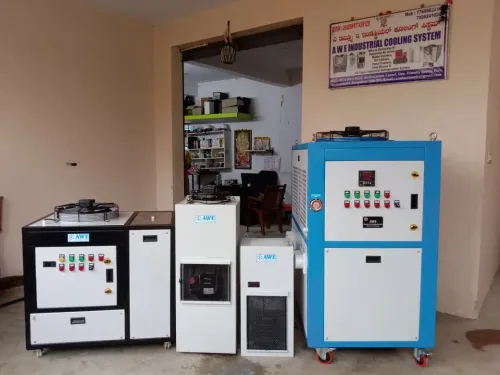
What is a Water Chiller?A water chiller is a specialized refrigeration system designed to remove heat from a mechanism or a process fluid (usually water or a water-glycol mixture). Unlike standard air conditioning units that focus solely on ambient air comfort, water chillers provide precise, continuous, and heavy-duty temperature control directly to machinery, data centers, or central HVAC setups.
How Does a Water Chiller Work?
At its core, a water chiller relies on the vapor-compression cycle to shift heat away from your equipment. It uses four primary components to keep things cold:
1. The Evaporator: Warmer water returning from your machinery transfers its heat to a liquid refrigerant, causing the refrigerant to evaporate into a gas.
2. The Compressor: This component compresses the low-pressure refrigerant gas, drastically raising its pressure and temperature.
3. The Condenser: The hot gas passes through the condenser, where it rejects its heat (either to the outdoor ambient air or to a separate cooling tower loop) and condenses back into a high-pressure liquid.
4.The Expansion Valve: The liquid refrigerant passes through this valve, dropping its pressure and temperature before restarting the cycle in the evaporator.
Air-Cooled vs. Water-Cooled Chillers: Which is Best?
When shopping for a system, you will generally choose between two main configurations:
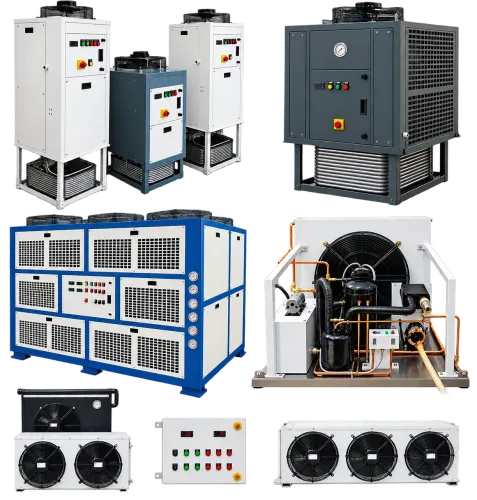
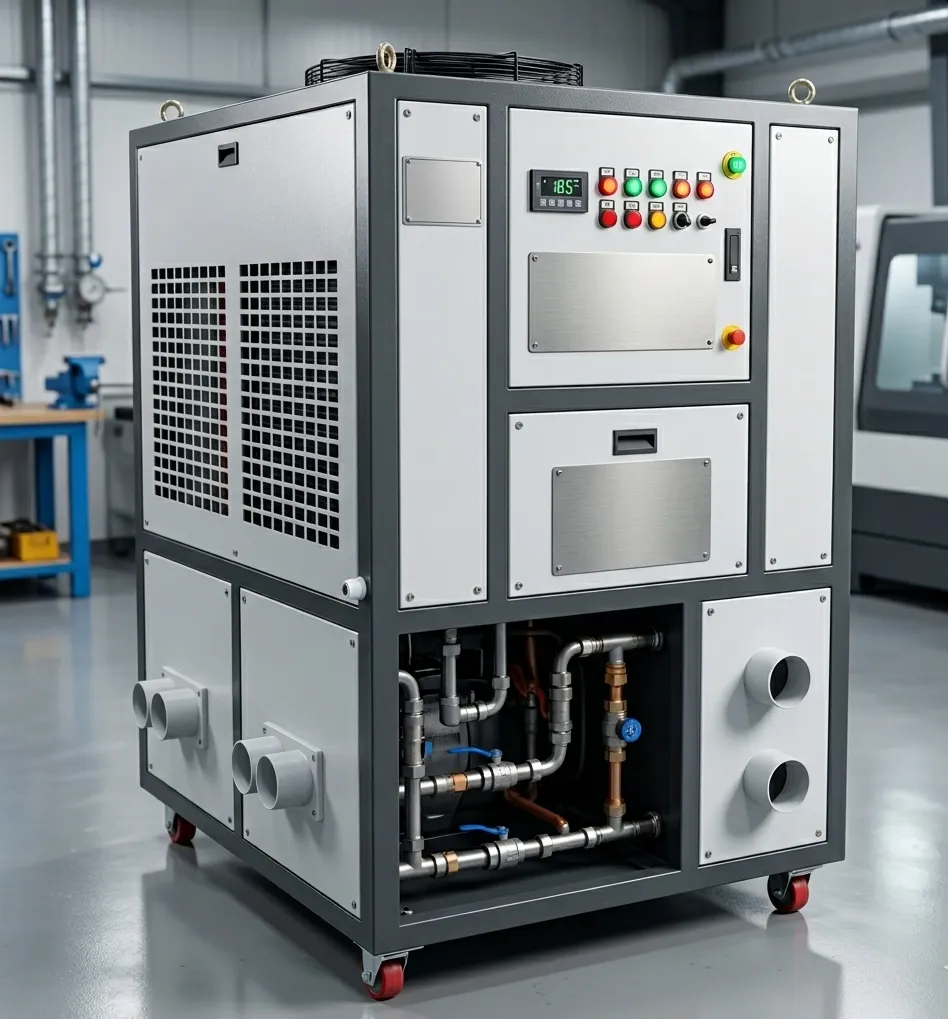
1. Air-Cooled Chillers: These systems use ambient air and powerful fans to reject heat. They are highly popular because they have a smaller physical footprint and don't require external cooling towers, making installation fast and cost-effective.
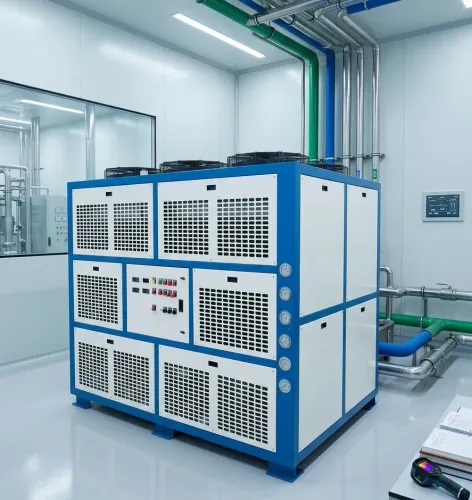
2. Water-Cooled Chillers: These systems connect to an external cooling tower to dissipate heat. Because water absorbs and transfers heat much more effectively than air, water-cooled systems are incredibly energy efficient and have a longer operational lifespan—making them perfect for large-scale operations.
Finding the Right Cooling PartnerInvesting in a water chiller isn’t just about keeping things cold; it's about optimizing your entire production speed and protecting your bottom line. Whether you need a compact 5-ton air-cooled unit or a massive 1, 000-ton centralized plant, choosing the right system configuration will save you thousands of dollars in the long run.
Want to optimize your facility's cooling performance? Contact our engineering team today to find the perfect water chiller size for your specific industrial application!
AWE INDUSTRIAL COOLING SYSTEM
If you are looking for a reliable, highly effective way to keep your operations running smoothly, a water chiller system is the ultimate solution.
But what exactly is a water chiller, and why is it a game-changer for your business? Let’s dive in.
What is a Water Chiller?A water chiller is a specialized refrigeration system designed to remove heat from a mechanism or a process fluid (usually water or a water-glycol mixture). Unlike standard air conditioning units that focus solely on ambient air comfort, water chillers provide precise, continuous, and heavy-duty temperature control directly to machinery, data centers, or central HVAC setups.
How Does a Water Chiller Work?
At its core, a water chiller relies on the vapor-compression cycle to shift heat away from your equipment. It uses four primary components to keep things cold:
1. The Evaporator: Warmer water returning from your machinery transfers its heat to a liquid refrigerant, causing the refrigerant to evaporate into a gas.
2. The Compressor: This component compresses the low-pressure refrigerant gas, drastically raising its pressure and temperature.
3. The Condenser: The hot gas passes through the condenser, where it rejects its heat (either to the outdoor ambient air or to a separate cooling tower loop) and condenses back into a high-pressure liquid.
4.The Expansion Valve: The liquid refrigerant passes through this valve, dropping its pressure and temperature before restarting the cycle in the evaporator.
Air-Cooled vs. Water-Cooled Chillers: Which is Best?
When shopping for a system, you will generally choose between two main configurations:
1. Air-Cooled Chillers: These systems use ambient air and powerful fans to reject heat. They are highly popular because they have a smaller physical footprint and don't require external cooling towers, making installation fast and cost-effective.
2. Water-Cooled Chillers: These systems connect to an external cooling tower to dissipate heat. Because water absorbs and transfers heat much more effectively than air, water-cooled systems are incredibly energy efficient and have a longer operational lifespan—making them perfect for large-scale operations.
Finding the Right Cooling PartnerInvesting in a water chiller isn’t just about keeping things cold; it's about optimizing your entire production speed and protecting your bottom line. Whether you need a compact 5-ton air-cooled unit or a massive 1, 000-ton centralized plant, choosing the right system configuration will save you thousands of dollars in the long run.
Want to optimize your facility's cooling performance? Contact our engineering team today to find the perfect water chiller size for your specific industrial application!
AWE INDUSTRIAL COOLING SYSTEM
Keywords