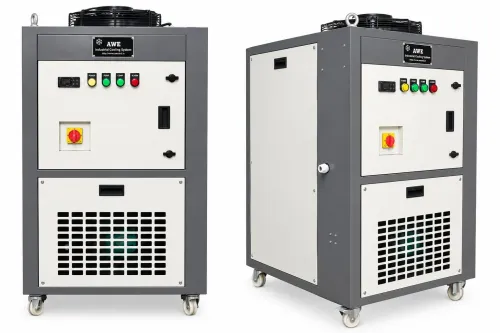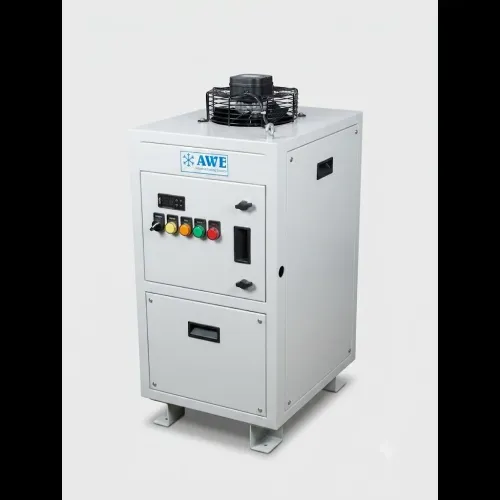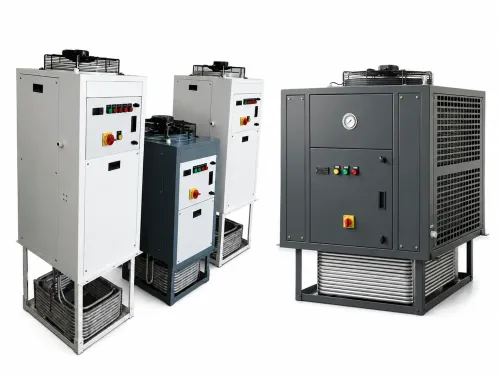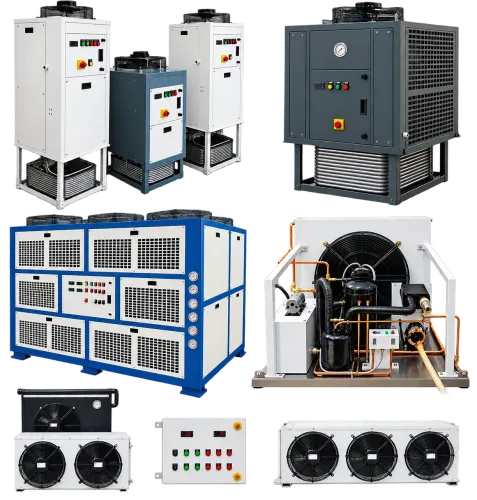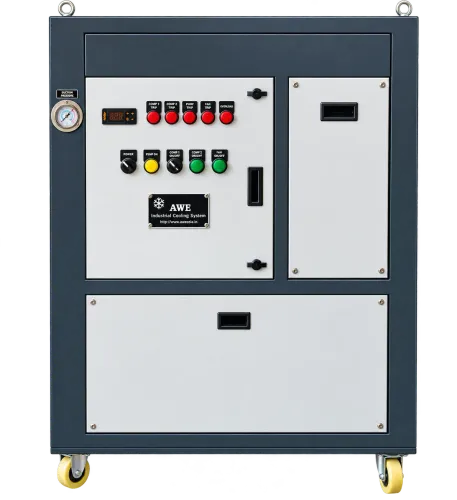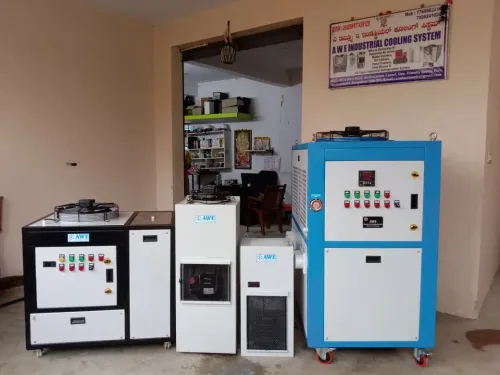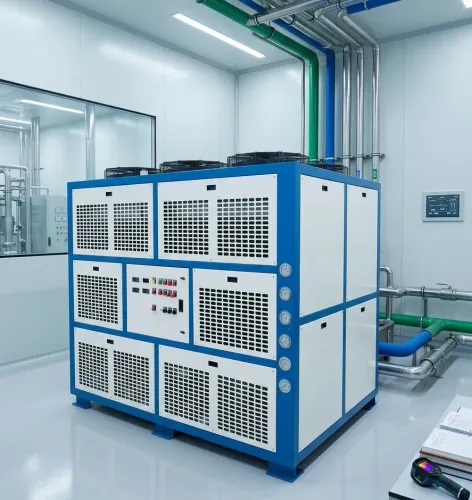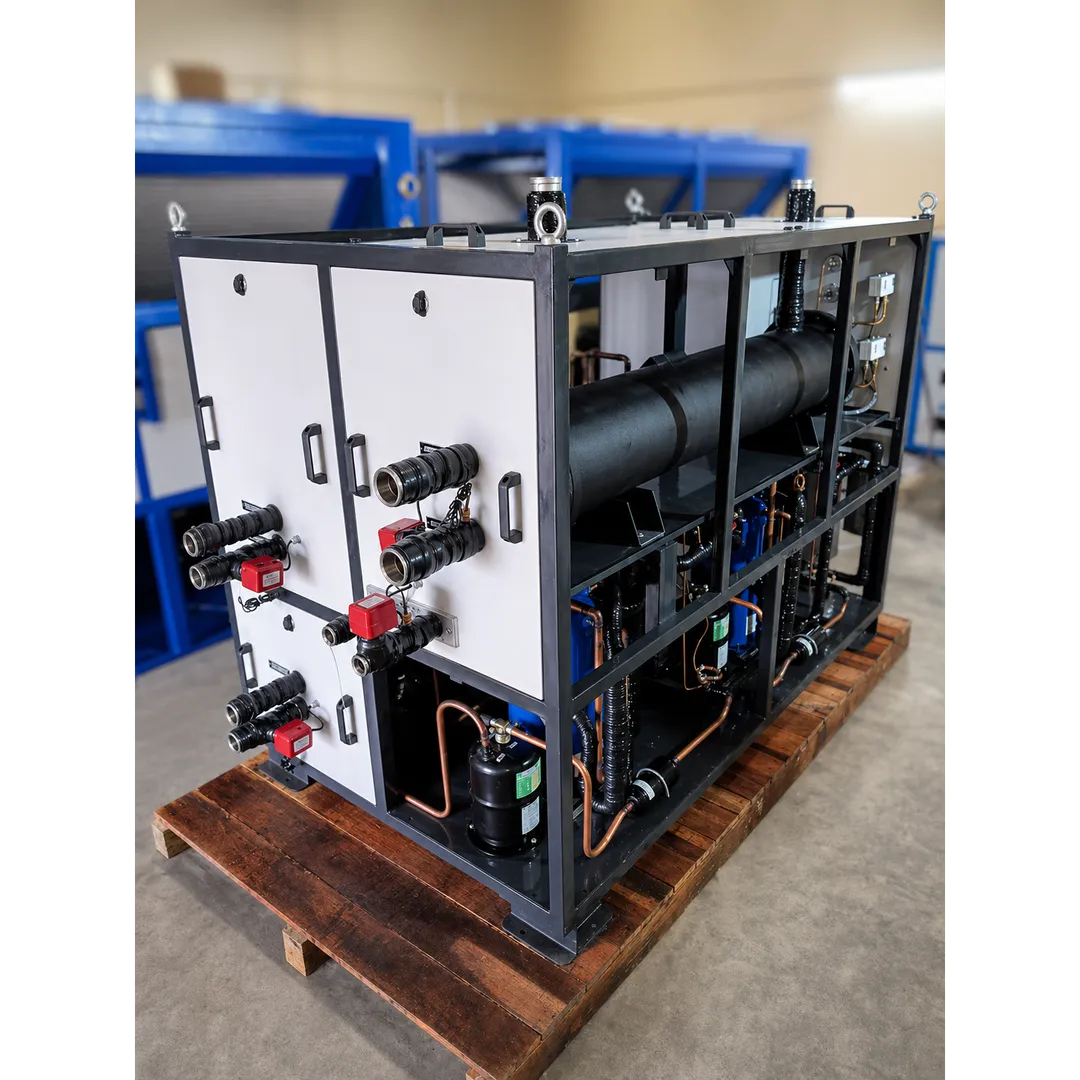
An HVAC chiller is a refrigeration system used to produce chilled water or another cooling fluid for air-conditioning and climate-control applications. The chilled water is circulated through air handling units (AHUs), fan coil units (FCUs), or other heat exchangers to remove heat from buildings and maintain comfortable indoor temperatures.
HVAC chillers are widely used in commercial buildings, offices, hospitals, hotels, shopping malls, educational institutions, airports, and industrial facilities where centralized cooling is required.
What Is an HVAC Chiller?
An HVAC chiller is a central cooling machine that removes heat from water and transfers that heat to the surrounding environment.
In a typical chilled-water HVAC system, the chiller cools water to a specified temperature. Pumps then circulate this chilled water through the building's cooling equipment. Warm return water comes back to the chiller, where it is cooled again and recirculated.
This continuous process provides efficient and centralized temperature control across large spaces.
How Does an HVAC Chiller Work?
The working principle of an HVAC chiller is based on the vapor-compression refrigeration cycle in most modern systems.
The basic cooling process involves four major components:
1. Compressor
The compressor increases the pressure and temperature of the refrigerant and moves it through the refrigeration circuit.
2. Condenser
The high-temperature refrigerant releases heat through the condenser. Depending on the chiller design, heat can be rejected using air or cooling water.
3. Expansion Valve
The expansion valve reduces the refrigerant pressure, causing its temperature to drop before it enters the evaporator.
4. Evaporator
In the evaporator, the cold refrigerant absorbs heat from the circulating chilled water. The cooled water is then pumped to AHUs or FCUs for air conditioning.
The refrigerant returns to the compressor, and the cycle repeats.
Types of HVAC Chillers
HVAC chillers can be classified based on how they reject heat and how they are designed.
Air-Cooled Chiller
An air-cooled chiller uses ambient air to remove heat from the refrigerant through condenser coils and fans.
Advantages:
- Easier installation
- No cooling tower required
- Lower water consumption
- Suitable for many commercial applications
- Relatively simple maintenance
Air-cooled chillers are commonly used for offices, small and medium-sized commercial buildings, retail spaces, and other applications where water availability is limited.
Water-Cooled Chiller
A water-cooled chiller uses cooling water to remove heat from the refrigerant. The heated condenser water is generally circulated through a cooling tower before being returned to the chiller.
Advantages:
- High cooling efficiency
- Suitable for large cooling capacities
- Good performance for continuous operation
- Can be suitable for large commercial and institutional facilities
Water-cooled systems require additional equipment such as cooling towers, condenser-water pumps, and associated piping.
An HVAC chiller is primarily designed to maintain comfortable indoor conditions, while a process chiller is designed to maintain the temperature required by a manufacturing or industrial process.
Major Applications of HVAC Chillers
HVAC chillers are used wherever centralized cooling is required.
Common applications include:
- Commercial office buildings
- Shopping malls
- Hotels and resorts
- Hospitals
- Airports
- Data centers
- Educational institutions
- Industrial buildings
- Large residential developments
- Entertainment facilities
- Pharmaceutical and healthcare facilities
Benefits of HVAC Chillers
Centralized Cooling
A chiller can provide cooling to multiple areas from a centralized plant, making it suitable for large buildings.
Energy Efficiency
Well-designed chilled-water systems can provide efficient cooling, particularly in large facilities with substantial cooling loads.
Temperature Control
HVAC chillers allow building operators to maintain consistent indoor temperatures when properly designed and controlled.
Scalability
Chiller plants can be designed with multiple units, allowing cooling capacity to be matched to building requirements and operational conditions.
Long-Term Operation
With proper installation, water treatment where applicable, preventive maintenance, and regular servicing, chillers can provide reliable long-term cooling.
How to Select the Right HVAC Chiller
Choosing an HVAC chiller requires more than simply selecting a cooling capacity. Important factors include:
- Required cooling capacity
- Air-cooled or water-cooled configuration
- Operating temperatures
- Chilled-water flow rate
- Available installation space
- Energy-efficiency requirements
- Ambient conditions
- Operating hours
- Maintenance requirements
- Initial and operating costs
A professional cooling-system designer can calculate the required cooling load and recommend an appropriate chiller configuration.
HVAC Chiller Maintenance
Regular maintenance is essential for maintaining chiller efficiency and reliability.
A maintenance program may include:
- Checking refrigerant operating parameters
- Inspecting compressors
- Cleaning condenser coils
- Checking pumps and motors
- Inspecting electrical connections
- Monitoring chilled-water temperatures
- Checking water quality in water-cooled systems
- Inspecting cooling towers where applicable
- Cleaning heat-transfer surfaces
- Checking control systems and sensors
Preventive maintenance can help identify potential problems before they lead to major downtime.
Conclusion
An HVAC chiller is a key component of centralized air-conditioning systems. It removes heat from circulating water and supplies chilled water to air-conditioning equipment such as AHUs and FCUs.
Depending on the building size, cooling requirement, installation conditions, and operating environment, businesses can choose between air-cooled chillers and water-cooled chillers.
For large commercial and institutional facilities, selecting the correct chiller capacity, configuration, controls, and maintenance strategy is important for achieving reliable and efficient cooling.
Keywords