In the high-stakes world of Bangalore’s manufacturing hubs—from the bustling machine shops of Peenya to the high-tech plants in Bommasandra—precision is everything. Whether you are running high-speed CNC lathes or heavy-duty hydraulic presses, there is one invisible enemy that can ruin your accuracy and destroy your components: Thermal Drift.
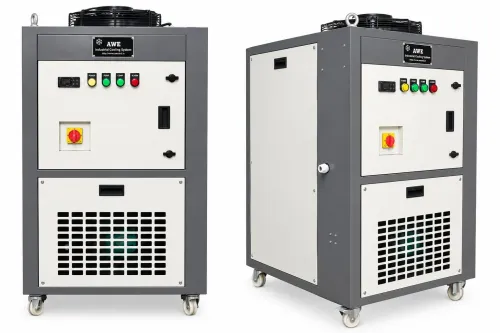
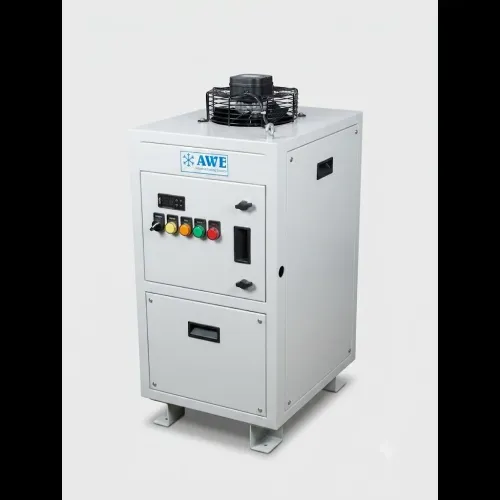
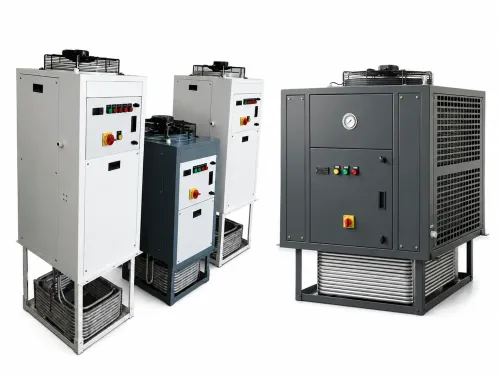
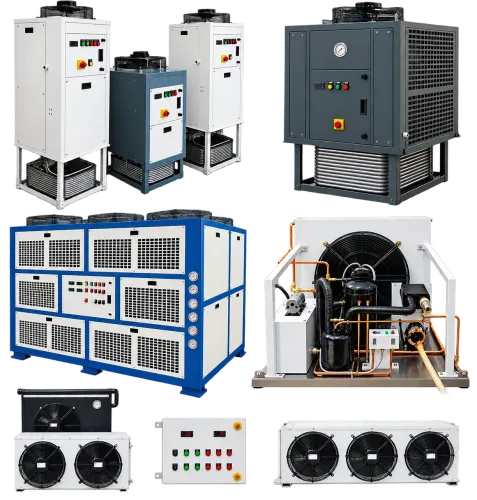
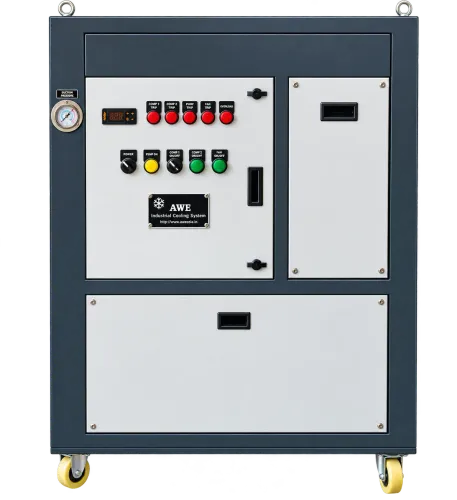
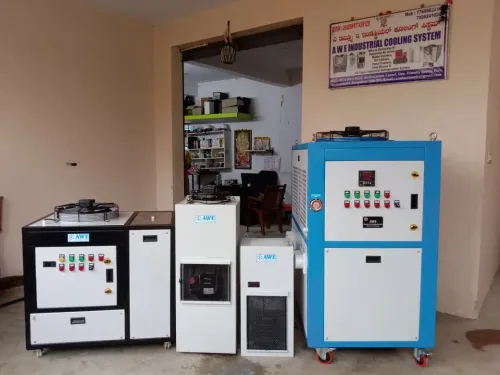
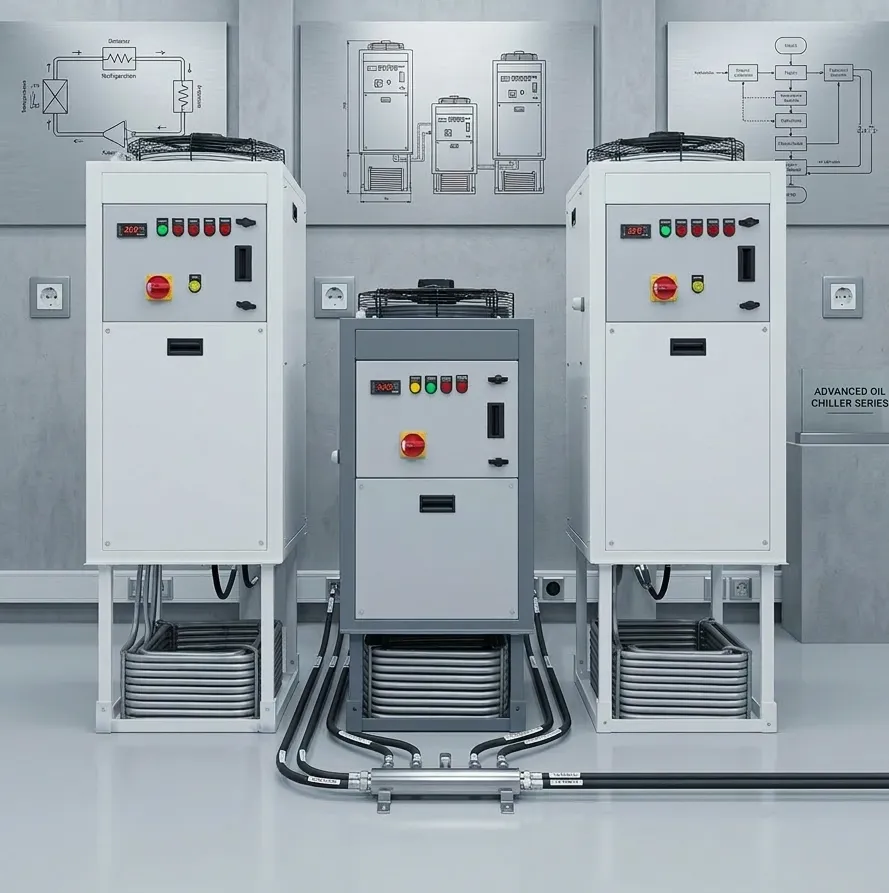
As an established industrial oil chiller manufacturer in Bangalore, we’ve seen firsthand how uncontrolled oil temperatures lead to unplanned downtime. In this post, we’ll explore why an oil chiller isn't just an 'accessory'—it’s the heartbeat of your machine tool's health.
1. The Cost of Overheating: More Than Just a Warning Light
When hydraulic or spindle oil exceeds its optimal temperature (typically above 45°C to 50°C), several critical failures begin to occur:
Viscosity Breakdown: Thin oil loses its lubricating power, causing metal-to-metal contact in your expensive spindles.
Seal Failure: High heat makes O-rings and seals brittle, leading to those stubborn leaks that haunt shop floors.
Dimensional Inaccuracy: In CNC machining, even a slight expansion of the spindle due to heat can result in 'rejected' parts that don’t meet tight tolerances
2. Why Bangalore Manufacturers Trust Our Oil Chillers
Being based in the 'Engineering Capital of India, ' we understand the specific challenges of the local climate and power conditions. Our oil chillers are built for:
Tropicalized Design: Engineered to perform even during Bangalore’s peak summer months when ambient shop temperatures rise.
Precision PID Control: Our systems maintain oil temperature within ± 1°C, ensuring that your first part of the morning is as accurate as your last part of the night.
Compact & Modular: We know floor space is at a premium in areas like Rajajinagar and Whitefield, so our units are designed with the smallest footprint possible.
3. Maintenance Tips for Peak Performance
To keep your oil chiller (and your machines) running 24/7, follow this simple 2026 maintenance checklist:
1. Check the Filters Monthly: Clogged oil filters restrict flow, causing the pump to work harder and generate more heat.
2. Monitor Oil Quality: Dark or 'burnt-smelling' oil indicates oxidation. Replace it immediately to protect your chiller’s heat exchanger.
3. Clean the Condenser Fins: Dust from the factory floor can coat the condenser. Use compressed air to blow it out and ensure proper heat rejection.
Your machines are a massive investment. Protecting them with a high-quality oil cooling system isn’t just good engineering—it’s good business. By maintaining stable temperatures, you reduce tool wear, save on electricity, and—most importantly—keep your production lines moving.
Ready to Upgrade Your Shop Floor?
As a dedicated oil chiller manufacturer in Bangalore, we don't just sell machines; we provide cooling solutions tailored to your specific CNC or hydraulic setup.
Contact AWE Industrial Cooling System
As an established industrial oil chiller manufacturer in Bangalore, we’ve seen firsthand how uncontrolled oil temperatures lead to unplanned downtime. In this post, we’ll explore why an oil chiller isn't just an 'accessory'—it’s the heartbeat of your machine tool's health.
1. The Cost of Overheating: More Than Just a Warning Light
When hydraulic or spindle oil exceeds its optimal temperature (typically above 45°C to 50°C), several critical failures begin to occur:
Viscosity Breakdown: Thin oil loses its lubricating power, causing metal-to-metal contact in your expensive spindles.
Seal Failure: High heat makes O-rings and seals brittle, leading to those stubborn leaks that haunt shop floors.
Dimensional Inaccuracy: In CNC machining, even a slight expansion of the spindle due to heat can result in 'rejected' parts that don’t meet tight tolerances
2. Why Bangalore Manufacturers Trust Our Oil Chillers
Being based in the 'Engineering Capital of India, ' we understand the specific challenges of the local climate and power conditions. Our oil chillers are built for:
Tropicalized Design: Engineered to perform even during Bangalore’s peak summer months when ambient shop temperatures rise.
Precision PID Control: Our systems maintain oil temperature within ± 1°C, ensuring that your first part of the morning is as accurate as your last part of the night.
Compact & Modular: We know floor space is at a premium in areas like Rajajinagar and Whitefield, so our units are designed with the smallest footprint possible.
3. Maintenance Tips for Peak Performance
To keep your oil chiller (and your machines) running 24/7, follow this simple 2026 maintenance checklist:
1. Check the Filters Monthly: Clogged oil filters restrict flow, causing the pump to work harder and generate more heat.
2. Monitor Oil Quality: Dark or 'burnt-smelling' oil indicates oxidation. Replace it immediately to protect your chiller’s heat exchanger.
3. Clean the Condenser Fins: Dust from the factory floor can coat the condenser. Use compressed air to blow it out and ensure proper heat rejection.
Your machines are a massive investment. Protecting them with a high-quality oil cooling system isn’t just good engineering—it’s good business. By maintaining stable temperatures, you reduce tool wear, save on electricity, and—most importantly—keep your production lines moving.
Ready to Upgrade Your Shop Floor?
As a dedicated oil chiller manufacturer in Bangalore, we don't just sell machines; we provide cooling solutions tailored to your specific CNC or hydraulic setup.
Contact AWE Industrial Cooling System
Keywords